Melanie Sykes reveals her bald look after alopecia diagnosis: ‘Loss + Gain = Life |
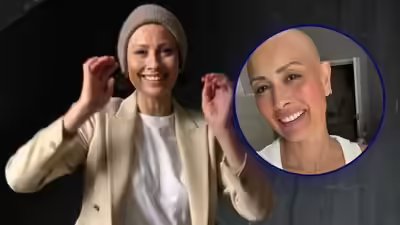

Melanie Sykes, the British TV presenter and performer, unveiled her new look on social media, after a tough battle against alopecia. The 55-year-old professional shared a powerful Instagram post showing off her bald head, after revealing two-thirds of her hair had fallen out due to the condition.Here’s a closer look at Melanie Sykes’ bold new look after being diagnosed with alopecia.
Melanie Sykes smiles with her bald head
Melanie Sykes shared an inspiring selfie on Instagram on June 28, wearing a white T-shirt and a big smile. The “Shop Well For Less” star captioned the post, “Loss + Gain = Life,” adding The Dualers’ song “Got That Smile.” Although she previously talked about severe hair loss, she shared a post without any hair.Sykes previously shared that she was trying different wigs as her hair loss became severe over time. “As much as I love wearing my head scarves, I can’t wait to get some hair out of it,” she wrote in the May 13, 2026, post, before adding: “My hair has been coming out really fast in the last few weeks and even at this stage (I’ve been losing hair for about a year and a half) it can be alarming.”
About Melanie Sykes’ diagnosis
Melanie Sykes initially opened up about her diagnosis last year, detailing pain treatments and recovery. “I have an autoimmune disease, I’m losing my hair, I still have crazy inflammation all over and I’m working on healing,” she said, continuing, “In the last three months, I’ve done a meditation teacher training course.” Speaking about the hair loss, the presenter expressed: ‘I’m seriously two-thirds bald. Every time I say I’m bald, I laugh, I don’t know why… Thank God I can laugh”.
What is alopecia?
According to the Cleveland Clinic, alopecia areata is an autoimmune disease that causes patchy hair loss anywhere on the body. It most commonly affects the hair on the skin covering the head (scalp). Medicines and therapies can help hair grow, but severe cases may not respond to treatment.

































Post Comment