


Prince HarryThe repeated pattern of UK visits marked by high drama negotiations and public spats has prompted psychological analysis by experts who suggest his behavior reflects a deeper condition characterized by what some describe as “main character syndrome” and drama addiction. Mental health professionals point to a cyclical pattern where the Duke of Sussex seems unable to avoid being at the center of every story. Experts suggest this is due to an unconscious need for constant attention and validation rooted in childhood attachment patterns and their role as a “spare” rather than an heir.
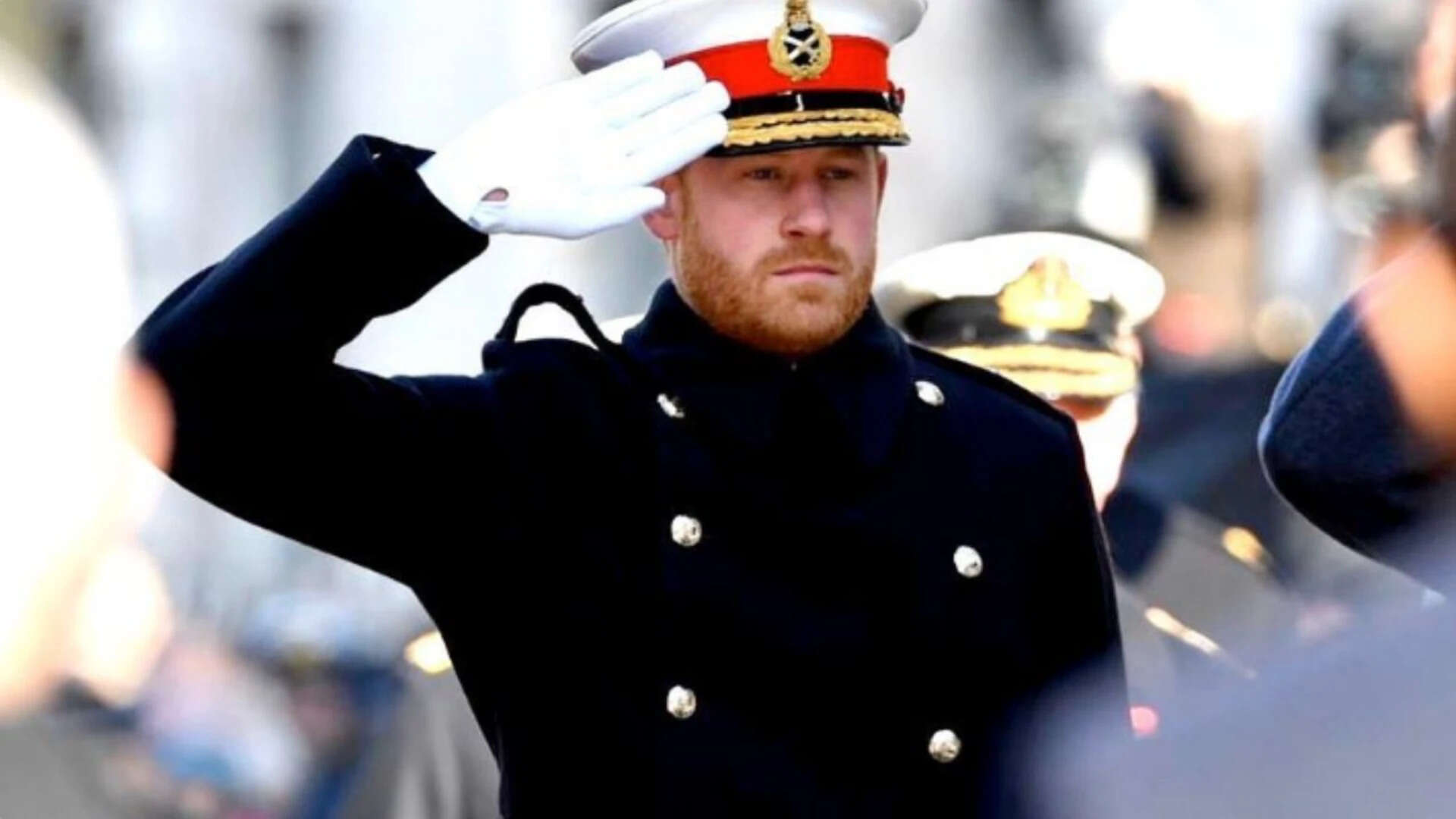
Psychologists stress that patterns related to drama and attention can change over time through self-awareness, healthier relationships, and emotional healing. Image credit (Instagram).
According to The Independent, psychologists who analyze behavior say that individuals who display “main character syndrome” turn every setback into a catastrophe and every relationship into another chapter in an ongoing performance. For these people, peace can feel unfamiliar while chaos feels strangely at home, reflecting survival strategies learned in childhood where attention came only through conflict and love was unpredictable.
Prince Harry and ‘main character syndrome’: what psychologists say
Dr. Scott Lyons, holistic psychologist and author of “Addicted to Drama: Healing Dependency on Crisis and Chaos in Yourself and Others,” described drama addiction as “the most accessible and contagious of all addictions” because “it’s free and can happen at any time.” According to the expert, drama addicts “pursue drama to avoid trauma,” and it represents “a stress addiction.”
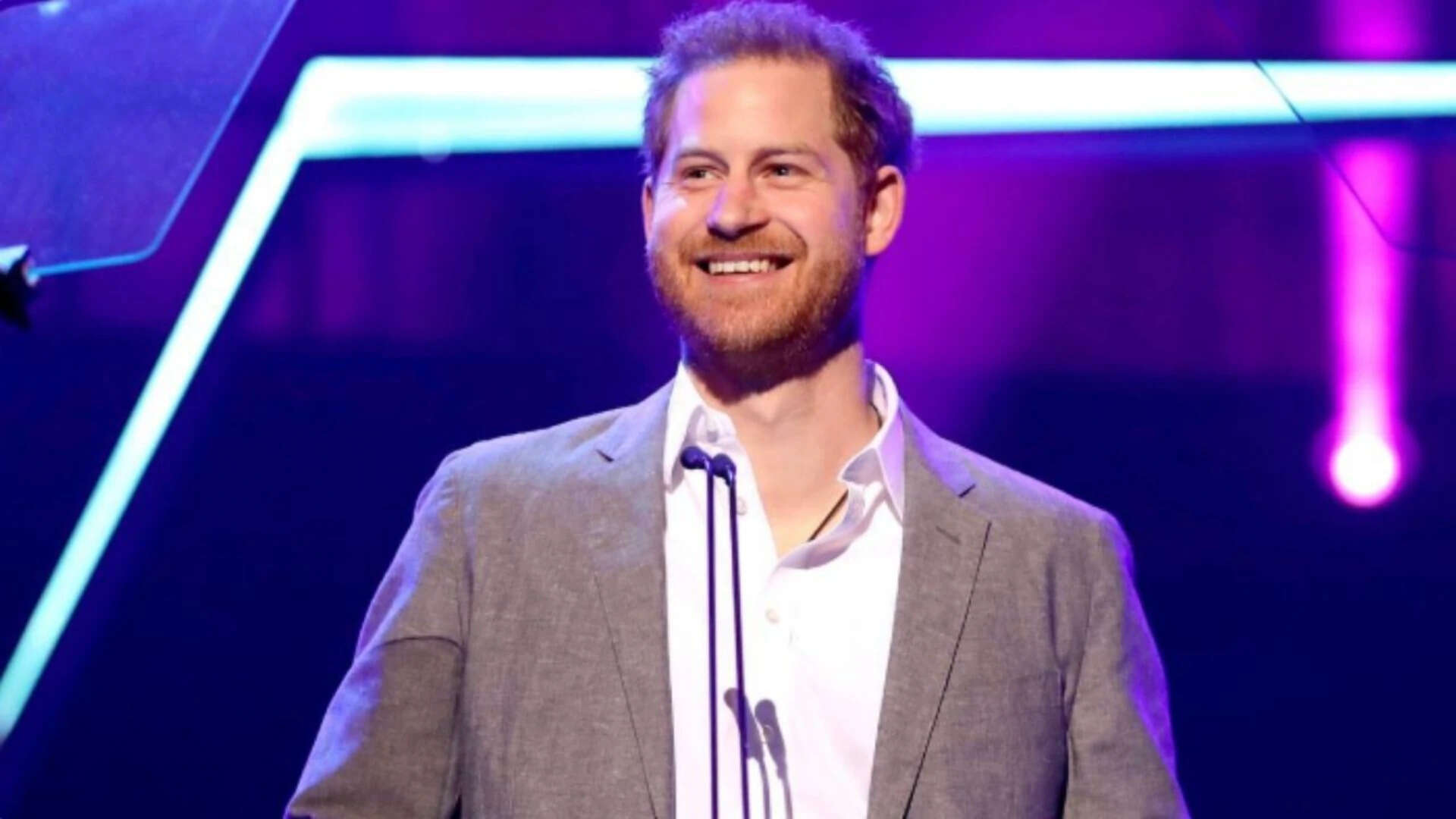
According to psychologists, early experiences and family dynamics may influence the Duke of Sussex’s recurring need to remain in the public eye. Image credit (Instagram).
“It creates a buzz of energy whenever you get caught up in the vortex. It lifts you above the threshold of numbness or depression, momentarily. It’s quite intoxicating. The drama becomes a distraction from internal feelings and emotions, and it’s actually one of the most natural pain relievers we have,” explained Dr. Lyons.
Prince Harry’s childhood may explain his need for attention
Psychotherapist and author Kathleen Saxton explained that not everyone who creates drama enjoys it, but sometimes it’s the only language they’ve learned. “If you grew up in a family where attention came only through conflict, where love was unpredictable or where you had to get loud to be noticed, your nervous system may have learned a simple equation: intensity equals connection,” Saxton told the experts analyzing the pattern.
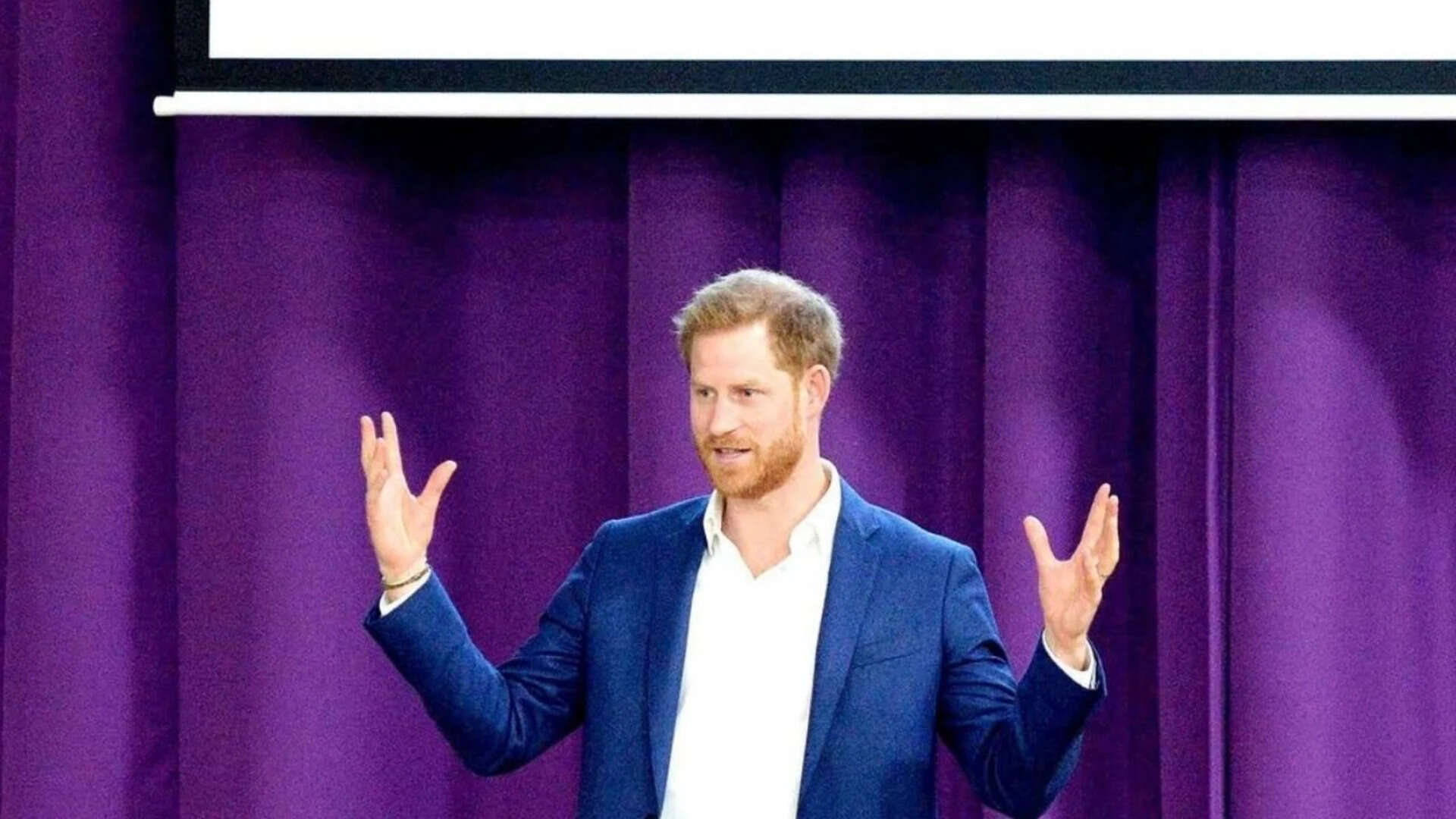
Experts argue that the repeated controversies surrounding Prince Harry may reflect learned coping mechanisms rather than isolated incidents. Image credit (Instagram).
According to attachment theory, inconsistent caregiving can create adults who constantly seek reassurance. “They’re looking for significance. They’re constantly looking for attention that they never got,” Saxton noted. The irony is that many who crave drama aren’t really looking for conflict, but validation and belonging.“The good news is that what was once a survival strategy doesn’t have to become a life sentence. Healing begins when we realize that we don’t have to act to belong, create chaos to be seen, or become the main character in every room simply to feel like we matter,” she explained.
Prince Harry’s role as a “spare” shaped his public life
In Harry’s case, he knows nothing but royal drama, and as a “spare” rather than an heir, he might be unconsciously drawing attention to himself in order to feel alive, unforgettable, and not second best. Even though Harry was always the replacement, not the heir, he always had the bigger personality from childhood, filling a space that his brother’s eventual birthright would make impossible for him to fill.As the outgoing brother, Harry possessed the charisma to become a compelling leader, but he was never going to be one. Simply put, the endless cycle now visible may represent his way of trying to take up space outside the system, showing what he refers to in his ‘Spare’ memories as the “men in gray suits” who aren’t there to keep Harry in his place. By constantly being at the center of the drama, Harry becomes impossible to ignore.Exemption from liability: This story is based on events reported by news sources and is for informational purposes only. The accuracy of the details, including the identity and mental state of the individuals involved, cannot be independently verified and may be subject to change as the investigation progresses. This information should not be considered a definitive account of events.