
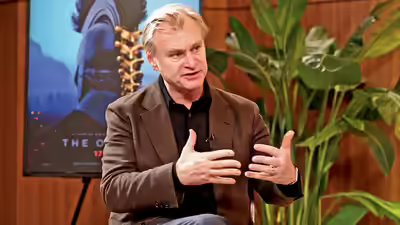
Christopher Nolan is an avid drinker of Earl Gray tea. Christopher Nolan was enjoying a distinctly non-Earl Gray chai with bun maska in Mumbai. Christopher Nolan’s films are so cerebral that they are interpreted, decoded and deciphered and analyzed. Christopher Nolan’s movie collections tend to be bigger than the most massive and dumbest cinema ever made.There are many truths about Nolan’s persona and cinema that coexist simultaneously, and he’s a mind as layered as the stories he tells.And perhaps, The Odyssey is as layered a tale as has ever been told.There is something about great tales that delve into ethics, morals, philosophy, and truths that transcend the barriers of both time and culture. That’s why, perhaps, our conversation in Mumbai with Nolan didn’t seem very “weird”. His emphasis on the Greek concept of Xenia, of the thought that one should be respectful even to a lowly beggar who comes to your door, as he may be a god walking the earth in disguise, reminds one of Tulsidas’s ‘Na jaane kis vesh mein Narayan mil jaye’. His story’s focus on how a guest should be treated reminds us that ‘atithi devo bhava’ existed as a sacred thought throughout the world long before it became a tourist landmark. The stories of characters living on earth whose parents are gods, or at least non-human, remind us of so many characters in the Mahabharata. The remorse Nolan’s protagonist suffers even after engineering a famous victory reminds us of the name behind the Indian national emblem: how Asoka the Great’s remorse after Kalinga shaped what he and the land he ruled have been for a long, long time.“After years of war, no one could come between my men and home” – when I heard Odysseus saying this, it made me think of another great Greek story, but tied to India. Alexander the Great regarded Achilles as a role model. He carried a copy of the Iliad with him wherever he traveled. And about 850 years after Troy, Alexander’s troops, on the borders of India, mutinied and refused to go any further, and said, you know, like now, nobody can come between us and home.So this universality of a soldier’s longing to return home that crosses cultures and time, the waning thrill of conquest, these emotional contradictions of them as brutal hardened warriors and as sentimental individuals who just want to get home, as a filmmaker, how do you see the psychology of these men, given that they’re so conflicted on both ends?I think it’s one of the eternal human contradictions. Love and war, basically, which fuels drama and which has fueled literature for thousands and thousands of years. I mean, the Odyssey is 3,000 years old and I think it taps into very human truths.I think in my adaptation, I feel that – without going into spoilers, people haven’t seen it – but I think the character of Circe has some things to say about that, and about that contradiction, which I think is very relevant to the overall story, because there’s this contradiction of the qualities that make a good soldier.Loyalty is one of them, loyalty and obedience and bravery, etc., all these kinds of positive qualities, but directed to this incredibly negative end, which is to hurt someone, to cause death and destruction, and so on.And this contradiction, I think, is one of the most interesting and evocative things that narrative can deal with.When I came to adapt the Odyssey, I found that contradiction underlies everything in the poem. And so, in different ways, I’ve tried to bring that out in the film, including the sense of the audience experience as well, in terms of what the audience’s relationship is to the adventure of the piece, but also the gravity of the gravity of the war, of the death, of the destruction, all of these things that are going on... But I think it’s an eternal conflict that fuels the drama in a very compelling way.
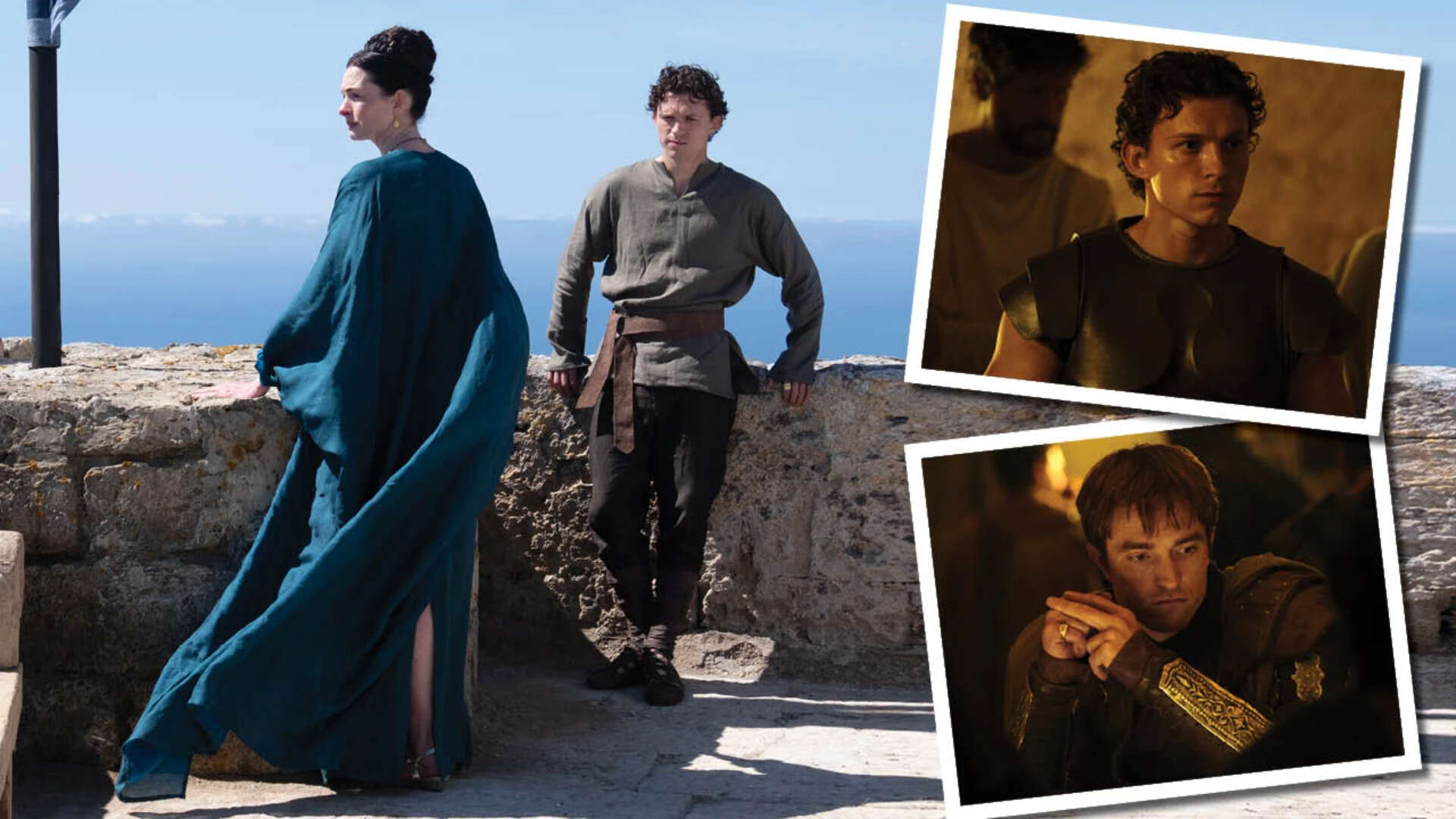
“The Odyssey is 3,000 years old and I think it takes advantage of very human truths”
Is post-violence remorse, in your opinion, the sign of an evolved soul as opposed to people who enjoy it and enjoy it? I mean, I think, even more complicated than that, I think that within the same individual there can be the element of remorse, there can be (also) an element of inappropriate enjoyment of violence. Within the same individual there can be different attitudes towards violence at different times. And I think that’s one of the things we’re dealing with, with the character of Odysseus, for example. One of the reasons I wanted Matt Damon to play the role is because Matt, I mean, he’s a brilliant actor, that goes without saying, but for me, even more, I wanted to retain the complexities and contradictions of the character of Odysseus, which are not the traditional characteristics of an epic hero. And Matt is able to open that up to the audience and draw the audience in, so you can retain those contradictions and complexities, but he can make you feel like you’re seeing the world through his eyes and experiencing it with him. And I think part of that is the idea of feeling ethically grounded in a character’s worldview, and then having that challenge, and especially retroactively, looking back at things that you’ve already seen in the story, and maybe looking at them in a slightly different way at the end of the movie than we did at the beginning of the movie. And that’s the kind of storytelling I really like.
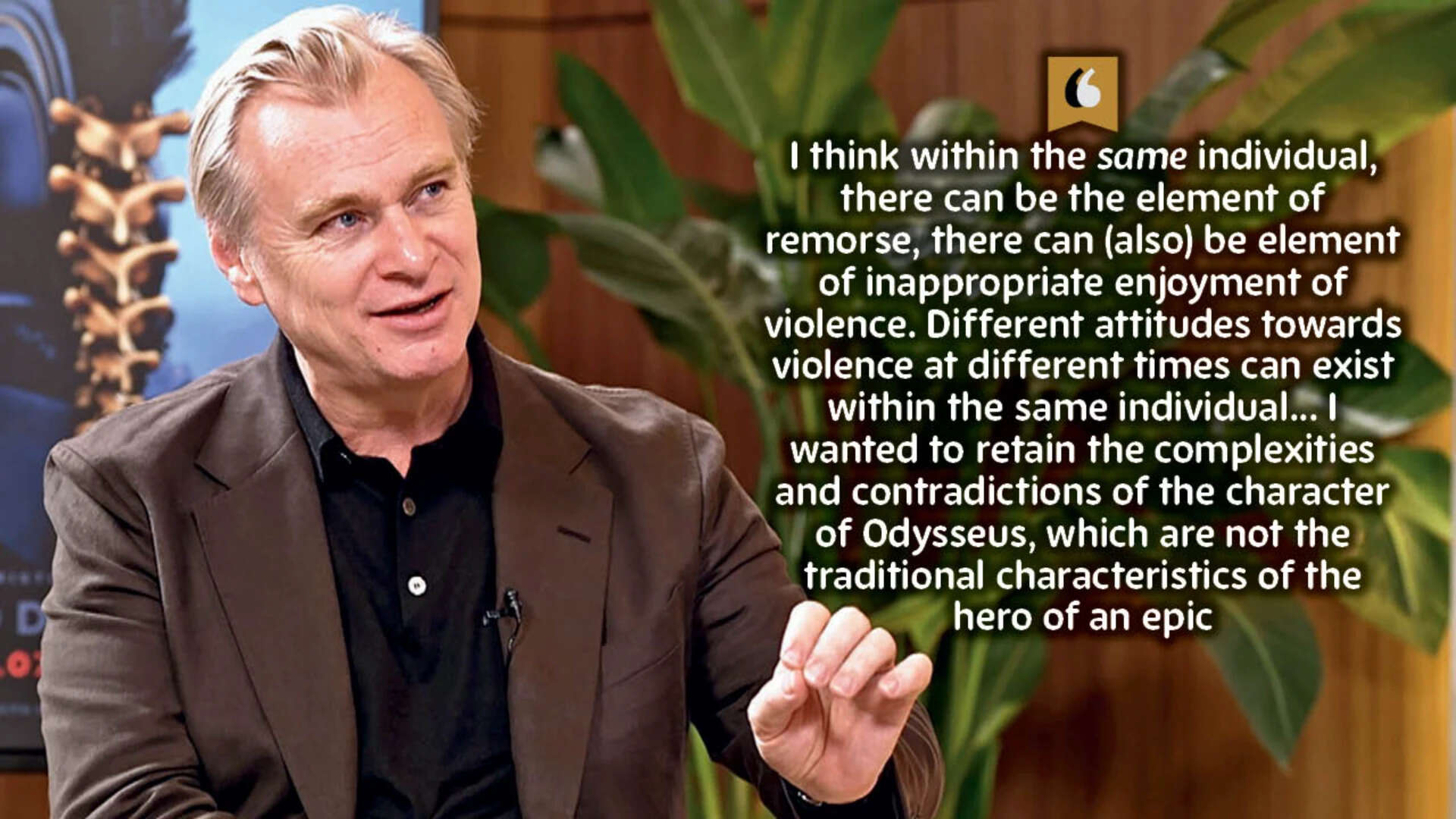
Love and war, essentially, which fuels drama and has fueled literature for thousands and thousands of years: Nolan
You talked about two things that really intrigued me. You talked about the epic being of a time when people saw divinity in everything: thunder, water, everything was from the gods. And you said that so many modern epics and stories arise from the desire to believe that the gods could walk among us. And in the story, you represent entities that are mortal on earth, but are children of gods. These concepts are very familiar in Indian mythology and culture; the Mahabharata has so many stories of this nature. So my question is, in your filmmaking, the challenge or goal is often to make the characters as “human” as possible. But when it comes to a god, there is no template. How do you approach the character of a god or demigod? How do you bring tears to his eyes? Well, for me, you know, the film is a bit of a contradiction in that sense, because I’ve embraced the fantastical elements of the story, the creatures, for example, the Cyclops in the film, those things… But when it came to the gods and the representation of the gods, what I was interested in was something that you find in the poem. It is a Greek concept known as Xenia. In the movie, we refer to it as the law of Zeus, very specifically, and it’s essentially the golden rule. It is the idea that we should treat each other with mutual respect.
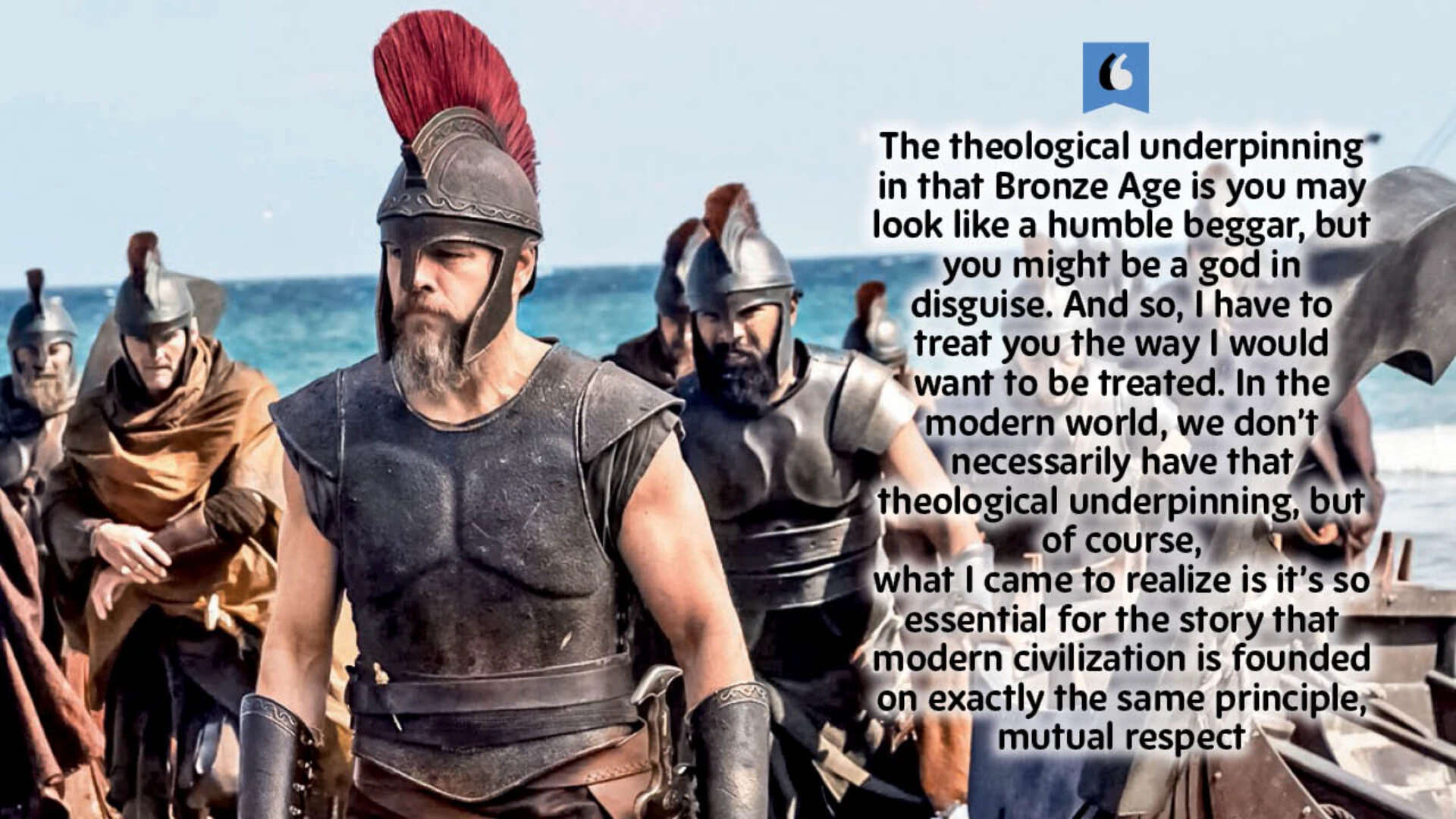
And the theological foundation in that bronze age is that you can look like a humble beggar, but you can be a god in disguise. And so I must treat you as I would like to be treated. In the modern world, we don’t necessarily have that theological foundation, but of course what I realized is that it’s so essential to the story that modern civilization is based on exactly the same principle, mutual respect. But the fact that it is a strong theological foundation in the Bronze Age led me to want to portray the gods as those people experienced them, through nature, through the evidence of the gods, that the sun rises in the morning, that the wind blows, that the tides come. All this is proof of divinity. This is a test from the gods. And the people who walk among them can also be gods in disguise. Perhaps they are seeing gods in men. And I wanted to keep that view of the gods, essentially, instead of portraying them as separate, in their own world, on Olympus or whatever, talking and so on, as has sometimes been the case in older films.
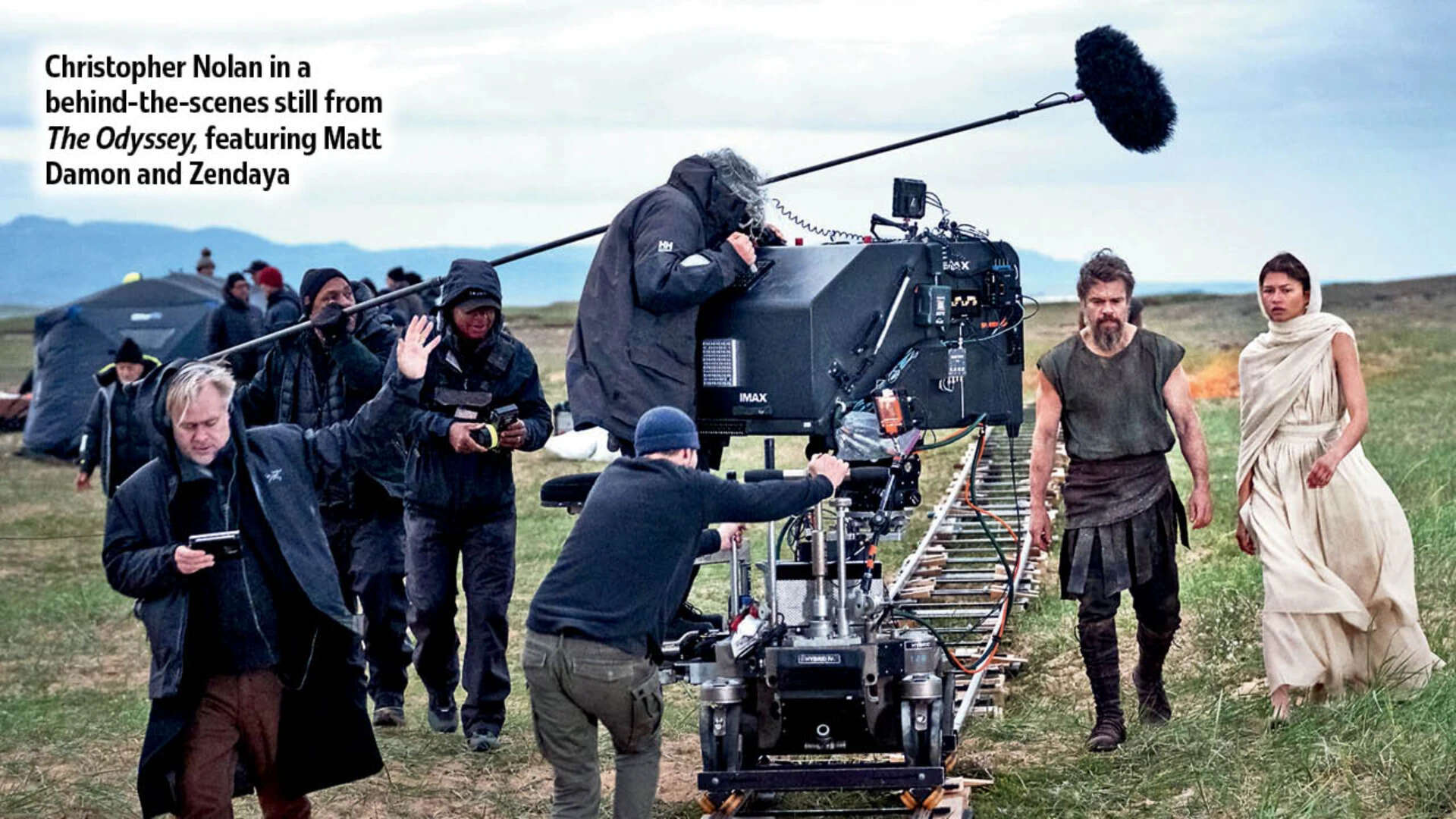
“Matt is able to open it up to the audience and engage the audience”
I really wanted to stay within that mindset of the characters. I wanted to give that, because I think that this idea of Xenia, this idea of the law of Zeus, at the end of the movie, you realize how important it is. And I felt like portraying the gods that way would make it more obvious.Any Indian epics that you would like tomorrow as a filmmaker, as a story?I mean, I’m always interested in any great story. And I know Indian culture is full of amazing stories. But in terms of the specifics of what attracts me to a project, I don’t know. I mean, there are commonalities in the Odyssey with, as you say, and the Mahabharata. But I certainly enjoyed dealing with a mythological landscape, yes.What is the best piece of Indian cinema you have seen, in any space, direction, acting, music? Did something hold you back? I mean, I was very late to Satyajit Ray, Pather Panchali. It is a masterpiece. It’s as good a movie as I’ve ever seen. And I was, I didn’t realize, I think, like… obviously I had heard of Ray, but a few years ago, just before I first came to India, I saw that movie for the first time, and it’s as good a movie as I’ve ever seen. He was an absolutely extraordinary filmmaker.
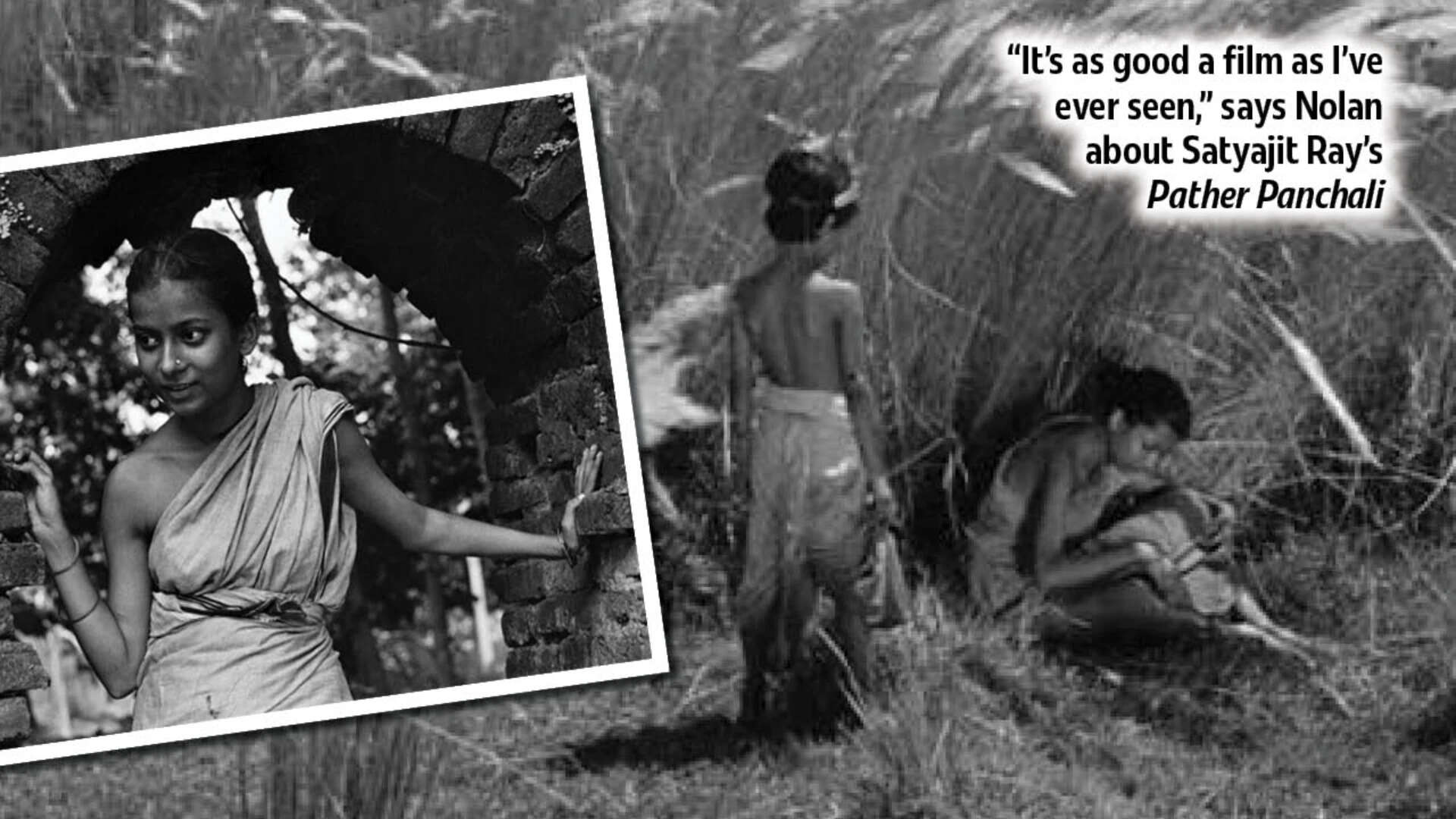
“It’s as good a film as I’ve ever seen,” Nolan says of Satyajit Ray’s Pather Panchali.
The moral center that you wrote for Matt Damon’s character, as you explained, you know, this whole transition of hard and soft, conflicted, full of contradictions—how different is that moral center from your own personal moral center? (Pauses) I think it’s a very difficult question for this type of interview! (laughs) I mean, we’re all complicated… we’re all complicated like Odysseus is complicated… (but) I don’t think the word that’s most often applied to Odysseus, I don’t think people necessarily apply that to me. And that word is cunning. And, you know, it’s the idea of the cheater or someone who always has: they hide their motive and they have some kind of ulterior motive. I don’t think so, I don’t think I share it.
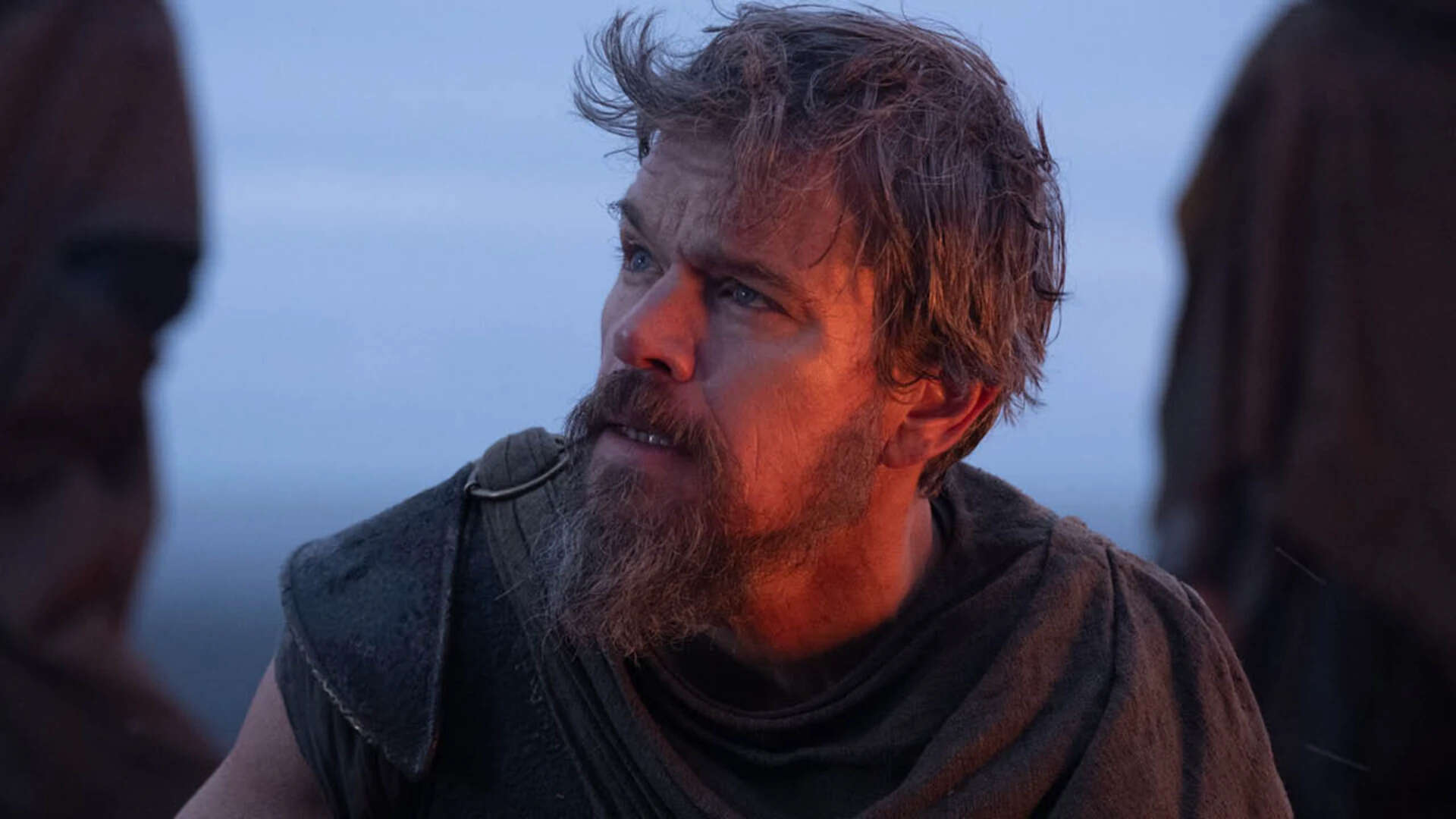
“We are all complicated as Odysseus is complicated”
But even there, at the end of the story, you didn’t make him very proud of it. You sent it back and he was wondering if it was the right one. Well, maybe because that’s how I would feel. That’s… (laughs) Now I feel like I’m on the psychoanalyst’s couch!But he’s not a sly apologetic character, is he? In your story. It’s like someone who’s been there and then isn’t so proud of it. Yes, I think so. But I also think that, you see, he’s aware of it, in a way, the whole movie. But you still see him enjoying his intelligence and the way he works things out. And that’s the thing about someone who knows what to do and maybe isn’t doing it yet. And, you know, we all share it. (And while we’re wrapping it up there, Nolan concludes with a chuckle: “Those are some tough questions!”)